The Organic Market in the Polarity of Specialty Retailers and Discounters
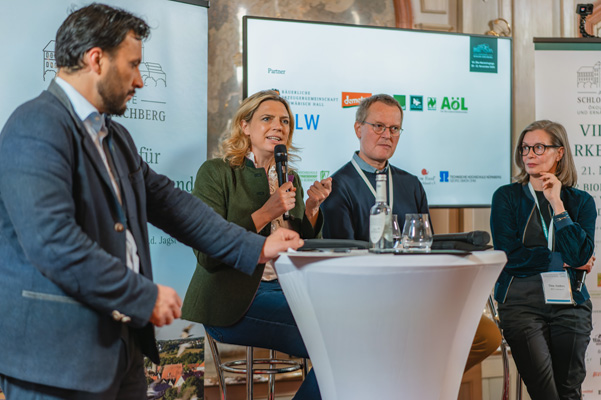
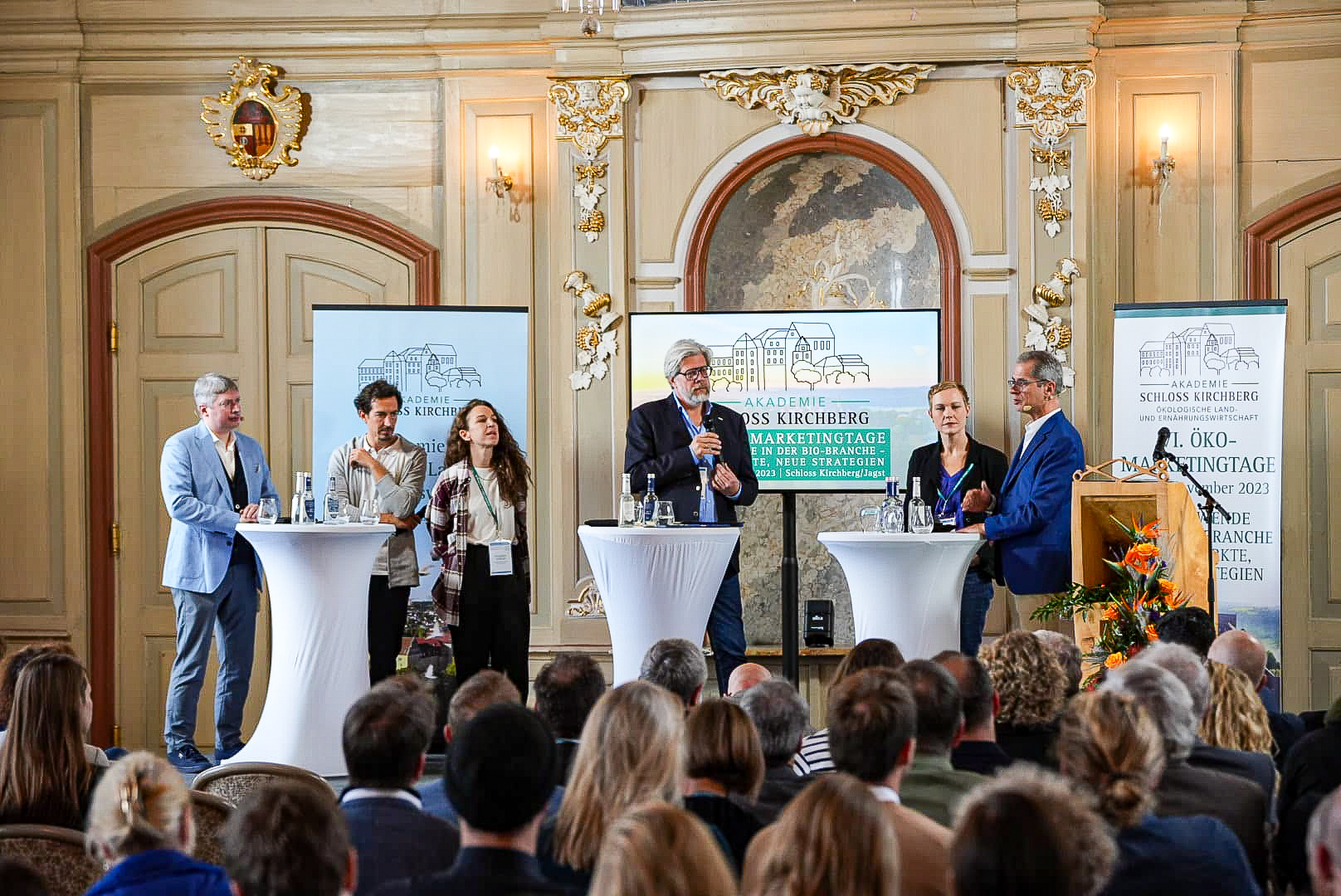
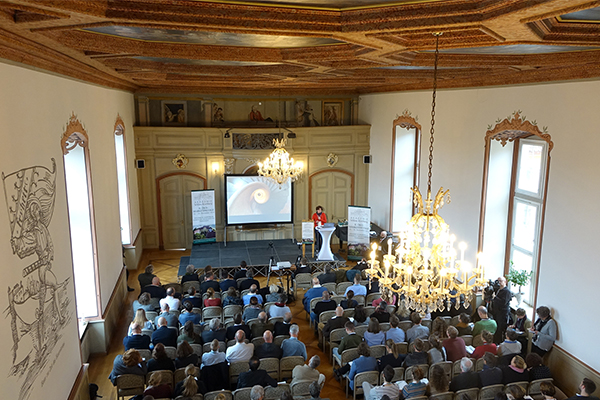
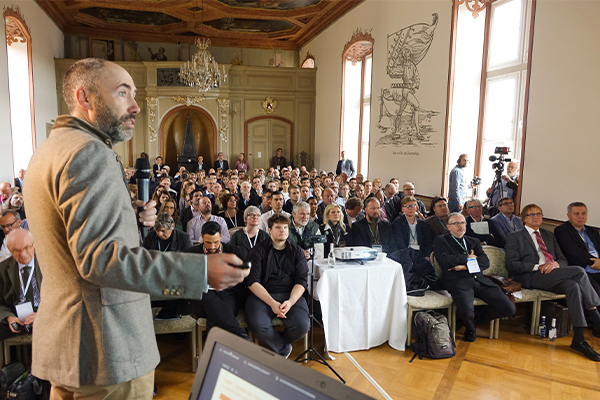
The VII. Eco-Marketing Days at Kirchberg Castle on the Jagst River focused on the diverse marketing channels for organic products between specialty retailers and discounters. What role do manufacturer brands play in this context? What does quality cost? How can sustainability be communicated authentically and credibly? And where are policies heading? Leading representatives from agriculture, trade, associations, and politics will discuss these and other questions on November 20 and 21. The 2024 Eco-Marketing Days, as a think tank and industry meeting, once again brought together the organic agriculture and food industry to jointly advance organic. One thing is clear: Private labels and discounters drive organic sales, while specialty retailers and manufacturers must boldly embrace new paths to avoid being left behind. This way, the industry can continue to help shape a diverse and sustainable economy in the future – from field to plate.
A Turning Point in the Organic Industry – New Markets, New Strategies
"German organic market shrinks for the first time" – "Discounters want to strengthen their organic expertise" – "Organic is becoming more affordable": These headlines demonstrate the challenges and necessary transformations facing the organic food sector. Changing pricing structures for raw materials, logistics, and energy, as well as changing consumer purchasing behavior, are disrupting the industry, and market shares are being redistributed. "Organic is now everywhere," Alnatura founder Götz Rehn told Lebensmittelzeitung. Private label and entry-level organic products remain in demand, also due to high general prices. On the other hand, a sustainable and climate-friendly diet remains the most important nutritional trend. Organic will continue to be the concept for a sustainable agricultural and food system in the future.
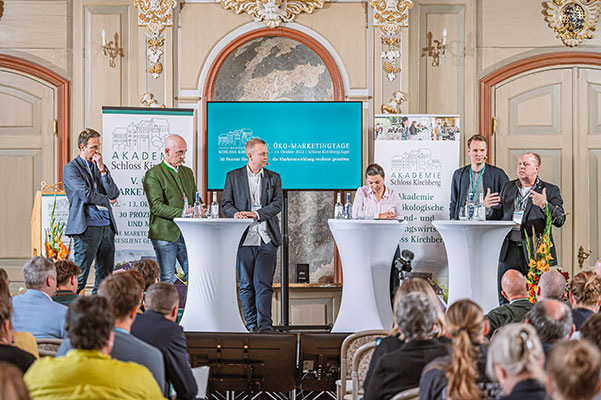
V. Eco Marketing Days 12. - 13. October 2022 30 percent organic and more - make the market development resilient
We are in the midst of a turning point: The current worldwide crises are not only affecting the global agricultural markets and the national agriculture and food industry. Increasing inflation, endangered supply and food security and uncertain availability of raw materials have consequences for all economic sectors. More than ever it is becoming clear that now is the time to act! We must massively combat climate change with its effects on all areas of life and thus prevent further crises. A climate-friendly, socially acceptable and resilient way of doing business is required to meet the challenges of the time.